
One - stop services
Spanning from electronic DESIGN to the SALE of electronic components.
Menu
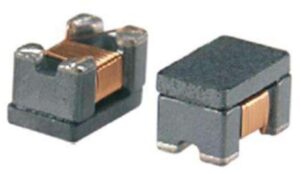
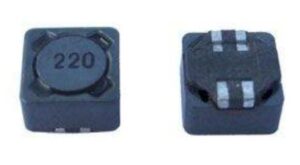
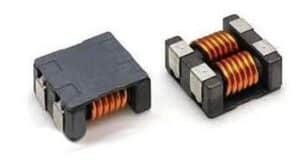
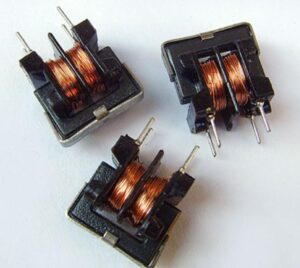
Common Mode Choke
Common Mode Inductor (Common Mode Choke), also known as common mode choke coil, is often used in switching power supplies of computers to filter common-mode electromagnetic interference signals. In board design, common mode inductors also function as EMI filters, used to suppress electromagnetic wave radiation emitted by high-speed signal lines.
The mainboard inside a computer integrates various high-frequency circuits, digital circuits and analog circuits, which generate a large amount of high-frequency electromagnetic waves that interfere with each other during operation—this is EMI. EMI may also radiate outward through mainboard wiring or external cables, causing electromagnetic radiation pollution and affecting the normal operation of other electronic equipment.
Chips on PC boards act as both victims and sources of electromagnetic interference during operation. Generally speaking, such electromagnetic interference can be divided into two categories: differential-mode interference (normal-mode interference) and common-mode interference (ground interference). Taking two PCB traces on the mainboard (wires connecting various components) as an example, differential-mode interference refers to interference between the two traces, while common-mode interference is caused by the potential difference between the two traces and the PCB ground. Differential-mode interference current flows between two signal lines in the same direction and waveform as the signal current. Common-mode interference current exists between signal lines and the ground, with half of the interference current flowing on each signal line in the same direction, using the ground as a common return path.
If common-mode currents generated by the board are not attenuated and filtered (especially those on high-speed interfaces such as USB and IEEE 1394), common-mode interference currents can easily produce electromagnetic radiation through interface cables—known as common-mode radiation caused by common-mode currents in cables. Standards such as the U.S. FCC, CISPR22 by the International Special Committee on Radio Interference, and China’s GB9254 impose restrictions on common-mode conducted interference and radiated emissions from communication ports of information technology equipment. To eliminate incoming interference signals and various induced interference on signal lines, it is necessary to properly design filter circuits to suppress both common-mode and differential-mode interference, and the common mode inductor is an essential part of such filter circuits.
Essentially, a common mode inductor is a bidirectional filter: on one hand, it filters out common-mode electromagnetic interference on signal lines; on the other hand, it prevents the equipment itself from emitting electromagnetic interference, so as not to affect the normal operation of other electronic devices in the same electromagnetic environment.